Case Study:
UM & ASU
Curriculum Architecture & Instructional Logic
The Challenge
Designing effective pedagogical tools for a top-tier research institution requires a "System-First" approach to knowledge distribution. The challenge was to create modular learning architectures that translated complex media theory into structured, navigable curricula for diverse learner populations.
The Solution
I designed the underlying logic and content frameworks for higher education environments, focusing on scalability and user experience.
CURRICULUM ARCHITECTURE
Developed modular course syllabi and learning pipelines that break down dense theoretical concepts into manageable, sequential phases.
Curriculum Ecosystem Design: Developing a cohesive brand identity and value-driven framework for an emerging media course.
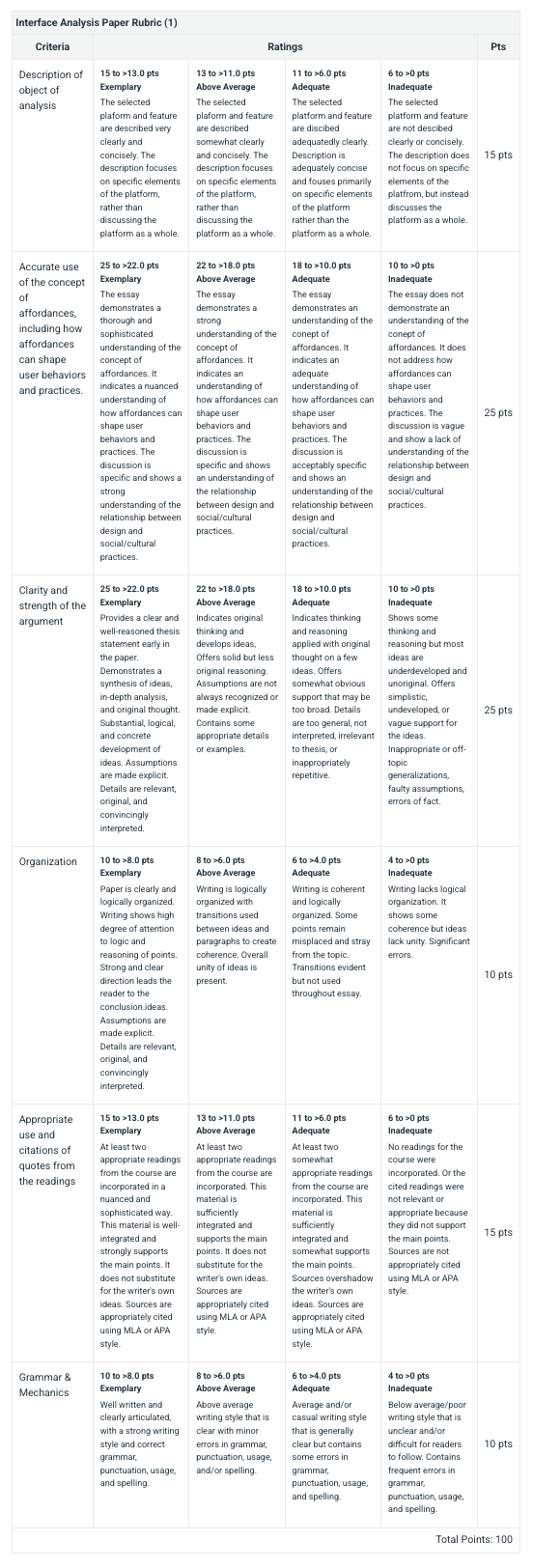
EVALUATION SYSTEMS
Built objective, logic-based feedback tools to ensure standardized quality at scale.
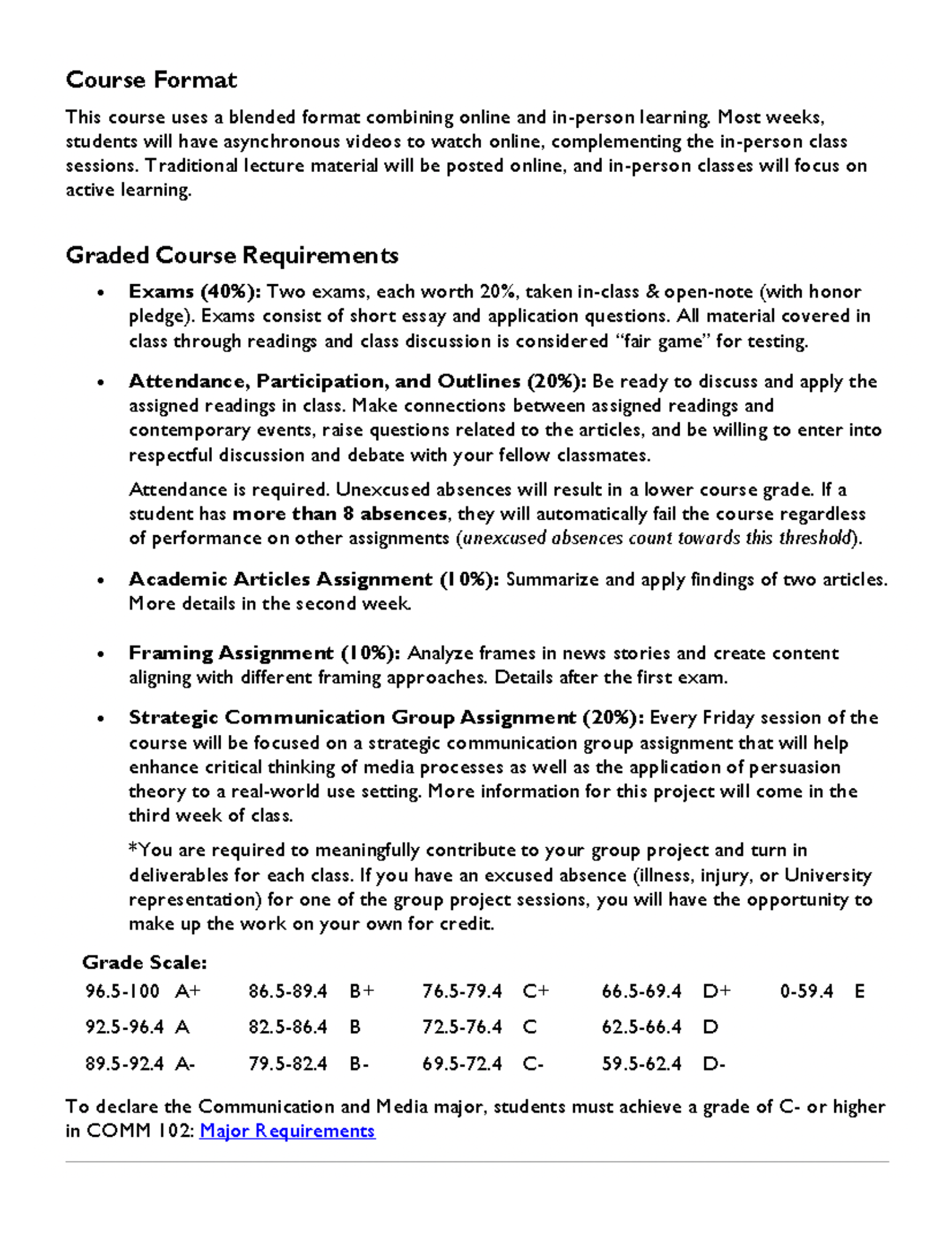
OPERATIONAL LOGISTICS
Managed high-enrollment pipelines and blended asynchronous/in-person formats; streamlined digital learning environments to reduce navigation friction and improve resource accessibility.
The Impact
MODULARITY
Created "plug-and-play" curriculum units that can be adapted across different institutional contexts.
OPERATIONAL CLARITY
Improved time-to-feedback and student success through structured instructional logic.